Strait of Hormuz Crisis: Shocking Escalations as Donald Trump Sends Warships and Iran Strikes Back
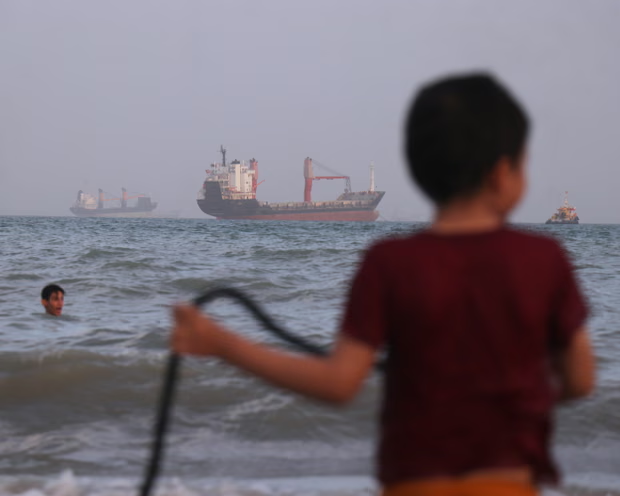
Children play in the water along the shore as bulk carriers, cargo ships, and service vessels sit offshore in the strait of Hormuz, off Bandar Abbas, Iran. Photograph: Razieh Poudat/AP
Strait of Hormuz Crisis intensifies as Donald Trump deploys warships, Iran launches attacks, and global oil markets react. Full analysis, impacts, and risks.
Strait of Hormuz Crisis Begins: A Dangerous Turning Point
Strait of Hormuz Crisis has entered a dangerous new phase as tensions between the United States and Iran escalate into direct military confrontation. The situation intensified after Donald Trump ordered a naval mission to break Iran’s blockade in the strategic waterway.
The Strait of Hormuz Crisis is now threatening global energy supplies, regional stability, and the fragile ceasefire that had held for weeks. Reports confirm that US warships have engaged Iranian vessels, while Iran has retaliated with missile and drone attacks.
What Triggered the Strait of Hormuz Crisis?
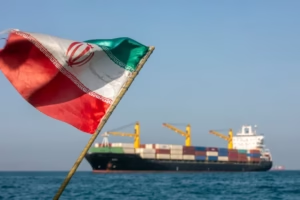
The Strait of Hormuz Crisis was triggered when Iran attempted to reassert control over the waterway, effectively blocking commercial shipping routes. This narrow passage is one of the world’s most critical النفط transit chokepoints.
Following increasing tensions, the US launched a military initiative to ensure safe passage for stranded vessels. Iran, however, viewed this as a direct threat and responded aggressively.
Project Freedom: US Military Operation Explained
The US operation, named Project Freedom, aims to reopen shipping lanes in the Strait of Hormuz.
Key highlights:
- Deployment of guided-missile destroyers
- Over 100 aircraft and drones involved
- 15,000 US troops positioned in the region
- Escort missions for commercial vessels
According to US Central Command, several Iranian boats were destroyed after attempting to interfere with operations.
Iran’s Response in the Strait of Hormuz Crisis
Iran responded forcefully during the Strait of Hormuz Crisis, launching:
- Missile strikes at US naval assets
- Drone attacks targeting ships
- Assaults on oil infrastructure in the UAE
Iranian state media claimed a US frigate was hit, though US officials denied any damage. The back-and-forth claims highlight the fog of war surrounding the crisis.
UAE Under Attack: Regional Tensions Expand
The Strait of Hormuz Crisis quickly spread beyond US-Iran confrontation. The United Arab Emirates reported:
- Interception of multiple missiles and drones
- Fire outbreak at an oil facility in Fujairah
- Attack on an oil tanker near Oman
These developments indicate that the conflict may expand into a broader regional war involving Gulf states.
Economic Impact of the Strait of Hormuz Crisis
The Strait of Hormuz Crisis has already begun affecting global markets.
Key impacts:
- Oil prices surged sharply
- Stock markets experienced volatility
- Shipping insurance costs increased
Experts warn that if the strait remains blocked, global النفط supply chains could be severely disrupted.
Military Risks and Escalation Factors
The Strait of Hormuz Crisis carries high risks due to:
- Close-range naval confrontations
- Missile and drone warfare
- Miscommunication between forces
The presence of advanced weapon systems increases the likelihood of accidental escalation into full-scale war.
Trump’s Warning Raises Stakes
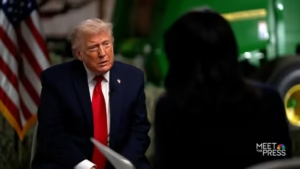
In a strongly worded statement, Donald Trump warned that Iranian forces would be “blown off the face of the Earth” if they targeted US ships.
This rhetoric has significantly raised tensions and reduced chances for immediate diplomatic resolution.
What Happens Next in the Strait of Hormuz Crisis?
Several possible scenarios could unfold:
1. Diplomatic Resolution
Backchannel negotiations may reduce tensions.
2. Limited Military Conflict
Continued skirmishes without full-scale war.
3. Full Regional War
Involvement of Gulf nations and allies.
4. Economic Shock
Global recession triggered by energy disruption.
Conclusion
The Strait of Hormuz Crisis represents one of the most dangerous geopolitical flashpoints in recent years. With military forces engaged, economic risks rising, and diplomatic efforts uncertain, the situation remains highly volatile.
The coming days will be critical in determining whether the Strait of Hormuz Crisis de-escalates—or spirals into a wider regional conflict with global consequences.
External (DoFollow):
Read more on global conflicts at The Guardian: https://www.theguardian.com/world/2026/may/04/shipping-bosses-nervous-trump-plan-to-guide-vessels-strait-of-hormuz-iran
Follow updates on geopolitical news via The Reuters: https://www.reuters.com/world/asia-pacific/trump-says-us-help-ships-stranded-strait-hormuz-tanker-hit-by-projectiles-2026-05-04/