Iran-US Peace Talks Islamabad: Shocking Breakthrough Signals Hope for Historic Deal
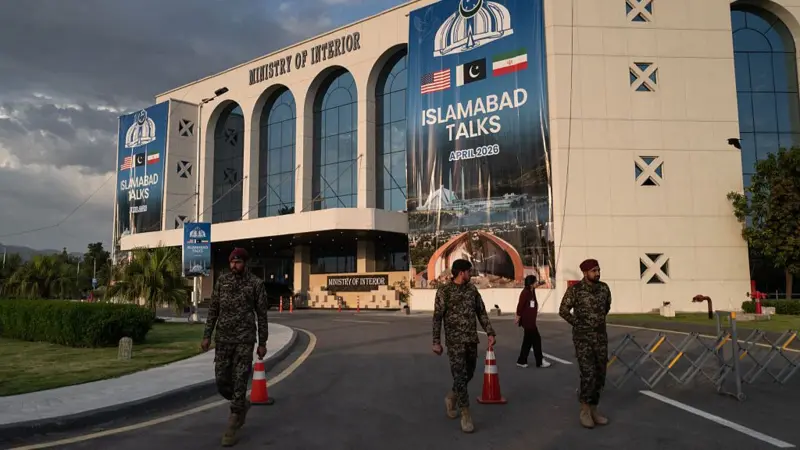
Iran-US Peace Talks Islamabad, venue Jinnah Convention Centre/ BBC/Getty images
Iran-US Peace Talks Islamabad continue into the night as high-level delegations meet for a historic breakthrough. Explore key updates, Trump’s stance, Strait of Hormuz tensions, and global implications.
Iran-US Peace Talks Islamabad: A Historic Turning Point in Global Diplomacy
Iran-US Peace Talks Islamabad are making global headlines as high-ranking delegations from both nations engage in direct negotiations for the first time in decades. These talks mark a potentially transformative moment in international relations, with mediation efforts led by Pakistan aiming to end weeks of escalating conflict.
Held in Islamabad, the discussions bring together influential leaders from Washington and Tehran, signaling a rare willingness from both sides to engage diplomatically despite deep-rooted tensions.
Background of Iran-US Conflict
The relationship between the United States and Iran has been strained since the Iranian Revolution. Decades of sanctions, proxy conflicts, and diplomatic breakdowns have shaped a volatile geopolitical landscape.
The recent six-week conflict escalated tensions further, pushing both nations toward the brink. However, the current ceasefire opened a narrow window for dialogue—leading to the Iran-US Peace Talks Islamabad.
Why Iran-US Peace Talks Islamabad Matter
The Iran-US Peace Talks Islamabad are significant for several reasons:
- First direct high-level talks in over a decade
- Potential to stabilize Middle East tensions
- Impact on global oil markets
- Opportunity to reopen diplomatic channels
These negotiations could redefine power dynamics not only in the region but globally.
Key Participants in the Talks
The talks involve influential figures from both sides:
- Donald Trump – President of the United States
- JD Vance – Leading the US delegation
- Abbas Araqchi
- Mohammad Baqer Qalibaf
Pakistan’s leadership, including Prime Minister Shehbaz Sharif and Army Chief Asim Munir, are playing a crucial mediation role.
Trump’s Statement and Strategic Messaging
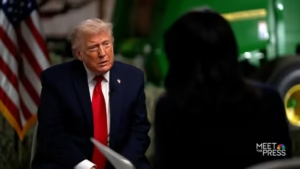
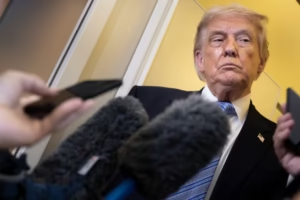
Despite the importance of the negotiations, Donald Trump stated that the outcome “makes no difference” to him, emphasizing that the United States would “win regardless.”
This statement reflects a strategic posture—projecting confidence while maintaining pressure on Iran during the Iran-US Peace Talks Islamabad.
Strait of Hormuz: A Critical Flashpoint
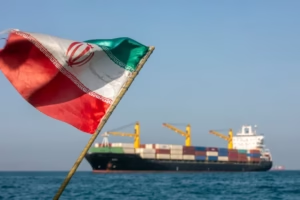
The Strait of Hormuz remains central to the negotiations. This narrow waterway is one of the most important shipping routes globally.
Key Developments:
- US claims mine-clearing operations underway
- Iran denies presence of US warships
- Global markets closely monitoring the situation
Control over this strategic passage significantly influences the outcome of the Iran-US Peace Talks Islamabad.
Pakistan’s Role as Mediator
Pakistan has emerged as a key diplomatic bridge. Hosting the Iran-US Peace Talks Islamabad, the country is leveraging its meeting with both nations.
Mediation Highlights:
- Direct face-to-face negotiations
- Technical discussions on security and finance
- Diplomatic dinner hosted by leadership
Pakistan’s neutral yet influential stance has been critical in bringing both sides to the table.
Key Demands from Iran
Iran has presented several demands during the Iran-US Peace Talks Islamabad, including:
- Ceasefire in Lebanon
- Release of frozen financial assets
- Reparations for damages
- Reduction of sanctions
These demands reflect Tehran’s broader strategy to gain economic and political concessions.
US Strategy and Concerns
The United States remains cautious. According to JD Vance, the US will not tolerate manipulation during negotiations.
US Priorities:
- Ensuring regional stability
- Maintaining military leverage
- Securing freedom of navigation in Hormuz
The US approach combines diplomacy with strategic pressure during the Iran-US Peace Talks Islamabad.
Regional Impact: Israel and Lebanon
The talks are unfolding alongside ongoing tensions in Lebanon. Israel continues strikes against Hezbollah targets.
Lebanon’s leadership insists that peace talks must include:
- Immediate ceasefire
- De-escalation of military actions
This regional dimension adds complexity to the Iran-US Peace Talks Islamabad.
Future Outlook of Iran-US Peace Talks Islamabad
While initial discussions lasted around two hours, further technical negotiations are ongoing. Reports suggest:
- Talks may continue into the night
- Additional rounds planned
- Possibility of a preliminary agreement
Despite challenges, the willingness to continue dialogue is a positive signal.
Conclusion
The Iran-US Peace Talks Islamabad represent a rare and potentially historic diplomatic effort. While uncertainty remains, the willingness of both nations to engage directly signals a shift in strategy.
With global stakes high—ranging from energy security to regional stability—the outcome of these talks could shape international relations for years to come.
Whether or not a final deal is reached, one thing is clear: the world is watching Islamabad.
Resources (DoFollow Links):
Read more on BBC: https://www.bbc.com/news/live/cn4v0xm9y0kt
Follow more at Arab News: https://www.arabnews.pk/node/2639573/pakistan
Further more over The Guardian: https://www.theguardian.com/world/2026/apr/11/us-iran-talks-peace-deal-islamabad-pakistan