Trump Strait of Hormuz Criticism: Powerful Reactions as Allies Reject Military Support
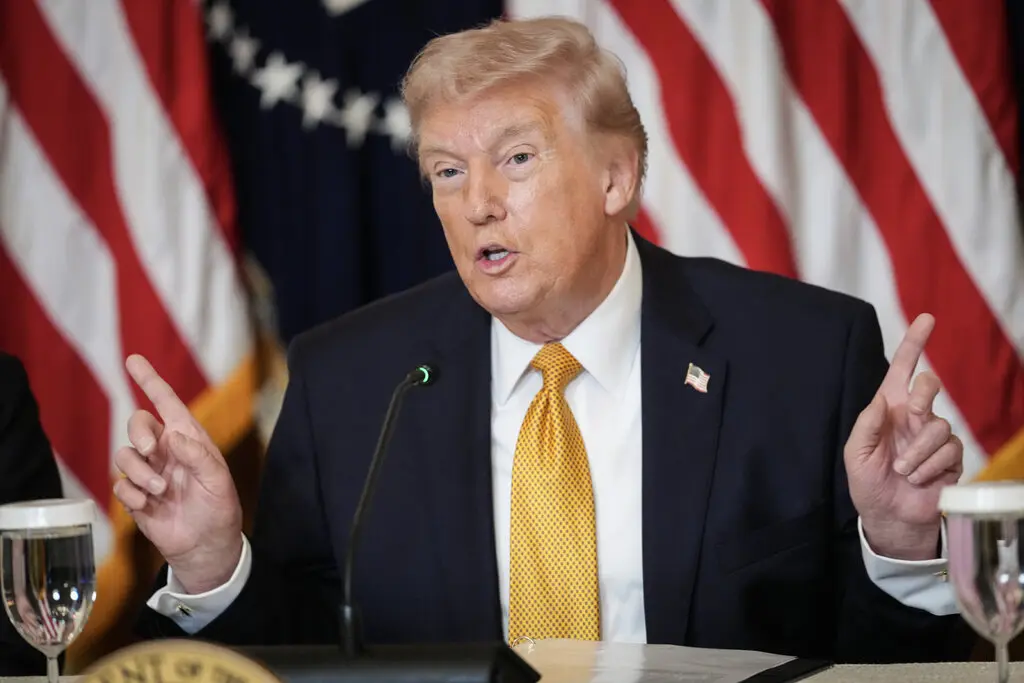
Trump Strait of Hormuz Criticism/ Doug Mills/The New York Times
Trump Strait of Hormuz Criticism intensifies as allies refuse to send warships to secure the vital oil route. Rising oil prices, Middle East tensions, and global energy fears grow.
Trump Strait of Hormuz Criticism: Allies Refuse to Join U.S. Coalition
Trump Strait of Hormuz Criticism has sparked global debate after U.S. President Donald Trump openly criticized allied nations that refused to support Washington’s push to secure the Strait of Hormuz, one of the most strategically important shipping routes in the world.
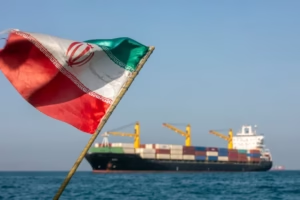
The dispute comes as tensions escalate in the Middle East, energy prices surge worldwide, and regional conflicts intensify. The narrow waterway between Iran and Oman handles roughly one-fifth of global oil shipments, making its stability vital for the global economy.
Despite repeated requests from Washington, several European and allied countries have declined to send naval forces to escort commercial ships through the area. Trump responded sharply, saying the United States does not necessarily need allies but wants to test their commitment.
Trump Strait of Hormuz Criticism Explained
The Trump Strait of Hormuz Criticism emerged after several Western allies hesitated to commit naval vessels to a proposed coalition aimed at protecting shipping routes in the Persian Gulf.
Speaking to reporters, Donald Trump said:
“We don’t need anybody; we’re the strongest nation in the world.”
However, the U.S. president also suggested that the request for support was a way to measure the loyalty of American partners.
The proposed coalition would escort commercial vessels traveling through the Persian Gulf and the Strait of Hormuz, where tensions with Iran have created uncertainty for global shipping.
Several countries expressed concerns that joining such an operation could escalate regional tensions rather than stabilize the situation.
Why the Strait of Hormuz Is So Important
Trump Strait of Hormuz Criticism and the Global Oil Lifeline
The Trump Strait of Hormuz Criticism centers on a waterway that is considered the world’s most critical energy corridor.
Key facts about the strait:
- Around 20% of global oil shipments pass through the Strait of Hormuz
- The route connects the Persian Gulf to the Gulf of Oman
- Major exporters such as Saudi Arabia, Iraq, and United Arab Emirates rely on it
Any disruption could significantly affect global oil supplies and energy markets.
According to the U.S. Energy Information Administration, millions of barrels of oil move through the strait daily.
Oil Prices Surge Amid Hormuz Tensions
Trump Strait of Hormuz Criticism Adds Pressure to Energy Markets
Energy markets reacted quickly to the growing geopolitical uncertainty.
Oil prices recently climbed to their highest levels since July 2022, reflecting fears that instability in the Strait of Hormuz could disrupt global supply chains.
In the United States:
- Gasoline prices reached their highest point since October 2023
- Diesel costs approached $5 per gallon
European leaders also moved quickly to respond. Energy ministers from the European Union held emergency discussions on strategies to control rising fuel costs and maintain energy security.
Iran’s Response to the Hormuz Dispute
Trump Strait of Hormuz Criticism Sparks Iranian Accusations
The Trump Strait of Hormuz Criticism has also triggered strong reactions from Iran.
Iranian Foreign Minister Abbas Araghchi accused neighboring countries that host U.S. military bases of enabling attacks against Iran.
Tehran has claimed that the Strait of Hormuz is currently operating under “special conditions,” suggesting heightened military monitoring and security measures.
Iran has long warned that any attempt to militarize the waterway could lead to further escalation.
Israel Expands Operations in Lebanon
Trump Strait of Hormuz Criticism Occurs Amid Wider Regional Conflict
The Trump Strait of Hormuz Criticism is unfolding during a period of broader regional instability.
The military of Israel has expanded what it calls “limited ground operations” in Lebanon, targeting fighters linked to Hezbollah, the Iran-backed militant group.
The conflict has displaced over one million people inside Lebanon, according to humanitarian organizations.
Global Economic Impact
Trump Strait of Hormuz Criticism Raises Concerns for World Economy
The Trump Strait of Hormuz Criticism reflects deeper concerns about global economic stability.
If shipping through the Strait of Hormuz were disrupted, the consequences could include:
- Sharp increases in global oil prices
- Supply shortages in major energy-importing nations
- Inflationary pressure across international markets
- Increased military tension in the Middle East
Analysts warn that prolonged instability could push oil prices significantly higher, affecting transportation, manufacturing, and consumer goods worldwide.
Future of the U.S. Coalition Effort
Trump Strait of Hormuz Criticism and the Search for Allies
Despite the criticism directed at allies, the U.S. administration continues working to build an international maritime security coalition.
Officials say discussions with partners are ongoing, though no country has yet formally committed to sending warships to escort vessels through the Strait of Hormuz.
The coming weeks could determine whether the coalition becomes operational or whether the United States decides to act independently.
Conclusion
The Trump Strait of Hormuz Criticism highlights growing tensions between Washington and its allies over security responsibilities in one of the world’s most critical maritime corridors.
While the United States continues pushing for an international coalition, many partners remain cautious about joining military operations that could escalate regional tensions with Iran.
As oil prices climb and conflicts intensify across the Middle East, the future of the Strait of Hormuz remains a key issue for global stability, energy security, and international diplomacy.
Resources (DoFollow):
Read more at NYT: https://www.nytimes.com/live/2026/03/16/world/iran-war-trump-oil-lebanon
Further read on CNN: https://edition.cnn.com/world/live-news/iran-war-us-israel-trump-03-16-26