Kareri Lake Trek & Ghera Camps: The Ultimate Himalayan Trekking and Camping Guide
Kareri Lake Trek & Ghera Camps: The Ultimate Himalayan Trekking and Camping Guide
Himachal Pradesh is often defined by its famous postcards—the bustling malls of Manali, the hippie cafes of Kasol, and the crowded ridges of Triund. However, for those willing to look slightly further into the shadows of the Dhauladhar range, a more authentic, quiet, and pristine Himalayan experience awaits.
The Kareri Lake Trek and the riverside sanctuary of Ghera Camps Kareri Road represent the pinnacle of offbeat adventure tourism in the Kangra district. This region offers a rare combination: the raw beauty of high-altitude glacial lakes and the accessible comfort of well-managed base camps. This 1,500-word guide provides an exhaustive deep dive into everything you need to know to plan the perfect escape.
-
Introduction to Kareri Lake: The Jewel of the Dhauladhars
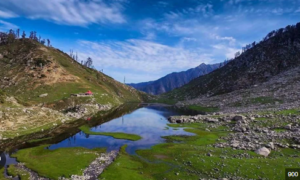
Perched at an altitude of approximately 2,934 meters (9,626 feet), Kareri Lake is a shallow, high-altitude freshwater lake. Unlike many other Himalayan lakes that are tucked away behind grueling mountain passes, Kareri is remarkably accessible, yet it feels worlds away from civilization.
The lake is “glacial,” meaning its primary water source is the melting snow from the surrounding Dhauladhar peaks. This results in water so clear that you can often see the lakebed even in its deeper sections. During the spring and summer, the surrounding meadows turn a vibrant emerald green, contrasted against the stark, jagged granite walls of the mountains.
Why Kareri Stands Out:
- The Nyund Stream: For almost the entire trek, you walk alongside the Nyund stream, providing a constant soundtrack of rushing water.
- Gaddi Culture: This is the heartland of the Gaddi shepherds. You will frequently encounter them tending to their flocks, offering a glimpse into a lifestyle that has remained unchanged for centuries.
- Variable Terrain: The trail transitions beautifully from subtropical pine forests to alpine grasslands and eventually to rugged rocky moraines.
-
Ghera Camps Kareri Road: Your Basecamp for Adventure
Before you even begin the ascent to the lake, your journey is defined by the village of Ghera. In recent years, Ghera has evolved from a mere transit point into a destination of its own, primarily due to the rise of Ghera Camps Kareri Road.
The Riverside Experience
The camps at Ghera are strategically located along the mountain streams. They serve as the perfect “soft landing” for travelers arriving from the plains or lower altitudes.
- Acclimatization: Spending a night at Ghera (approx. 1,300 meters) helps your body adjust before you climb to nearly 3,000 meters at the lake.
- Luxury in the Wild: Many of these camps offer “glamping” options—weatherproof tents with comfortable bedding, attached bathrooms, and freshly cooked local meals.
- Stargazing: Away from the light pollution of Dharamshala and McLeod Ganj, the night sky at Ghera is a celestial masterpiece.
-
How to Reach: The Journey from Dharamshala
The proximity to Dharamshala makes Kareri one of the most logistically friendly treks in Himachal.
- Distance: Approximately 27 km from Dharamshala.
- Mode of Transport: You can hire a local taxi or take a HRTC bus to Ghera. From Ghera, the road winds up toward Kareri Village.
- The Drive: The road is a narrow, winding mountain pass. It offers stunning views of the Kangra Valley below. It is highly recommended to travel during daylight to enjoy the scenery and ensure safety on the sharp hairpins.
-
The Trekking Route: Step-by-Step Breakdown
The Kareri Lake trek is roughly 13 kilometers from the starting point in Kareri Village to the lake. For most, this is a 4-to-6-hour journey upward.
Phase 1: The Pine Forests
The first few kilometers are a gentle climb through thick forests of Pine and Oak. The air is cool, and the scent of pine needles is therapeutic. The trail is well-paved with stones in some sections, making it easy for beginners.
Phase 2: The River Crossings
One of the highlights of this trek is crossing the wooden bridges over the Nyund stream. These bridges are quintessential Himalayan—handcrafted and rustic. There are several spots here where trekkers stop to splash their faces with ice-cold mountain water.
Phase 3: The Steep Ascent (Reoti)
As you approach a spot called Reoti, the gradient increases. This is where you leave the dense tree line behind and enter the alpine zone. Reoti is a popular midway camping spot for those who want to take a slower 3-day pace.
Phase 4: The Final Stretch to the Lake
The final 2 kilometers are the most challenging but the most rewarding. You climb over rocky steps and boulders. As you crest the final ridge, the lake suddenly reveals itself, nestled in a bowl of granite peaks with a small temple dedicated to Lord Shiva overlooking the water.
-
Seasonal Guide: When to Go
The character of Kareri Lake changes dramatically with the seasons.
Spring & Summer (April to June)
This is the peak season for a reason. The weather is pleasant (15°C to 25°C during the day), the snow has mostly melted from the trail, and the rhododendrons are in full bloom. It is the best time for families and first-timers.
The Monsoon (July to August)
While the Dhauladhars receive some of the highest rainfall in India, the monsoon turns the Kareri region into a “Green Paradise.”
- Warning: The trail becomes very slippery. Leeches are common in the forest sections. Only attempt this if you have high-quality waterproof gear and a sense of adventure.
Autumn (September to November)
Following the rains, the air is the clearest it will be all year. This is the best time for photography, as the visibility is unmatched, allowing you to see the distant peaks of the Pir Panjal range.
Winter (December to March)
The lake freezes over completely, and the trail is covered in deep snow. This is advanced trekking territory. You will need crampons, gaiters, and a professional guide. Camping at the lake in winter is an extreme test of endurance, as temperatures can drop to -10°C.
-
Essential Packing List
A successful trek is determined by what is in your backpack. Since you will be carrying your load (unless you hire a mule), pack light but smart.
- Footwear: High-ankle trekking boots with a “Vibram” or similar high-grip sole.
- Layers: Even in June, the temperature at the lake can drop to 5°C at night. Carry a thermal base layer, a fleece jacket, and a padded down jacket.
- Rain Gear: A lightweight poncho is essential. Mountain weather is notoriously unpredictable.
- Hydration: A 2-liter hydration bladder or sturdy bottles. You can refill at the stream, but use purification tablets or a filter.
- Sun Protection: High-altitude sun is intense. Use SPF 50+ sunscreen, polarized sunglasses, and a wide-brimmed hat.
-
Safety and Responsible Tourism
As Kareri gains popularity, the environmental impact has increased. Being a responsible traveler is no longer optional; it is a necessity.
- Waste Management: Whatever you carry up, you must carry down. Plastic bottles and snack wrappers are the biggest threats to this ecosystem.
- Mobile Connectivity: Expect zero signal after Kareri Village. Let your family know your itinerary before you start.
- Physical Fitness: While the trek is “Easy to Moderate,” it still requires a basic level of cardio fitness. If you can walk 5km on flat ground without getting winded, you are ready for Kareri.
-
Why Kareri is the Ultimate Choice for Groups
For Couples
The isolation of Ghera nature camps and the serenity of the lake make it one of the most romantic spots in the Himalayas. Watching the sunset over the lake with no one else around is a memory that lasts a lifetime.
For Families
Unlike the steep “stairs” of Triund, Kareri’s gradual ascent is manageable for children aged 8 and above. It serves as an excellent outdoor classroom for kids to learn about geology, botany, and local culture.
For Adventure Seekers
If the lake isn’t enough, Kareri serves as the base for more advanced expeditions, such as the trek over Minkiani Pass or Lam Dal Lake, which takes you deeper into the high-altitude wilderness.
-
Local Food and Hospitality
While at Ghera or Kareri Village, skip the instant noodles and ask for local Himachali cuisine.
- Dham: A traditional festive meal, often involving slow-cooked lentils and rice.
- Siddu: A steamed bread filled with walnuts or poppy seeds, served with ghee.
- Mountain Tea: Usually brewed with local herbs, it is the perfect remedy for the chilly mountain air.
The locals are incredibly hospitable. Engaging with the Gaddi shepherds or the camp staff at Ghera will provide you with stories and insights that no guidebook can offer.
-
Final Thoughts: A Journey of Self-Discovery
The Kareri Lake Trek Himachal is more than just a physical challenge; it is a mental reset. In a world of constant notifications and digital noise, the Kareri road offers a path back to simplicity.
By starting your journey at the comfortable Ghera Camps, you give yourself the luxury of a slow start, allowing the mountains to reveal their secrets at a pace that honors the landscape. Whether you are standing on the shores of the crystal-clear lake or sitting by a bonfire at Ghera, you will realize that the best parts of Himachal are the ones where the road ends and the trail begins.
Summary Table for Quick Reference
| Category | Details |
| Max Altitude | 2,934 Meters |
| Starting Point | Kareri Village (via Ghera) |
| Trek Type | Glacial Lake / Alpine Meadow |
| Best Stay | Ghera Camps for riverside luxury; Lake-side for raw adventure |
| Permits | None required for Indians; Foreigners should carry ID |
| Highlight | Crystal clear water and Gaddi Shepherd culture |