War Powers Resolution Vote: Senate Backs Trump’s Iran Military Action
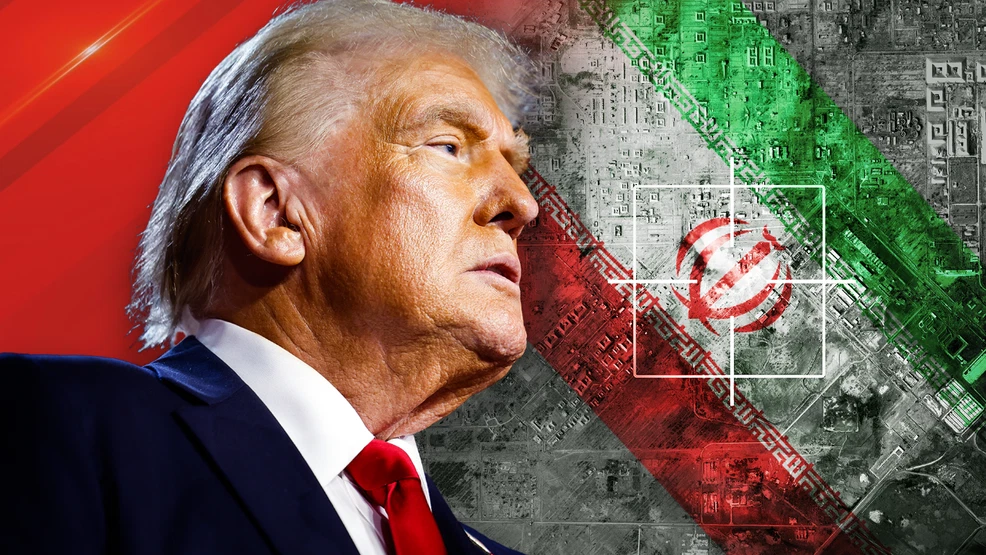
War Powers Resolution military strike debate involving the United States and Iran
War Powers Resolution debate intensifies as the U.S. Senate fails to curb President Donald Trump’s military action in Iran. Learn how the War Powers Resolution works and whether it can legally stop presidential war powers.
War Powers Resolution: Senate Debate Intensifies Over Trump’s Iran Military Action
The War Powers Resolution has become the center of a major political debate in Washington after Donald Trump launched a military campaign against Iran alongside Israel. As bombing continues and tensions escalate, lawmakers in the United States Senate attempted to use the War Powers Resolution to limit the president’s authority to continue military operations.
However, Senate Republicans ultimately blocked the measure, leaving the White House free to continue the military campaign. The situation has sparked intense debate about presidential authority, constitutional limits, and the role of Congress in declaring war.
This article explains what the War Powers Resolution is, why lawmakers tried to use it against Trump’s Iran campaign, and whether it can realistically stop a president from waging war.
What Is the War Powers Resolution?
The War Powers Resolution, also called the War Powers Act, is a U.S. law passed in 1973 to limit presidential power to commit the United States to armed conflict without congressional approval.
The law was enacted after the Vietnam War, when lawmakers wanted to prevent future presidents from engaging in prolonged wars without oversight from Congress.
Key provisions of the War Powers Resolution
- The president must notify Congress within 48 hours of deploying military forces.
- Military action cannot continue beyond 60 days without congressional authorization.
- Congress can order the withdrawal of troops through legislation.
The law was designed to restore Congress’s constitutional role under the United States Congress, which has the power to declare war.
Why Trump’s Iran Campaign Sparked the Debate
The current political clash began after Donald Trump authorized a joint military operation with Israel targeting military infrastructure inside Iran.
The operation, reportedly called “Epic Fury,” targeted around 2,000 locations across Iran. The campaign included strikes on military bases, weapons facilities, and strategic infrastructure.
Since the operation began:
- Six U.S. service members have been killed
- Thousands of military targets have been struck
- Regional tensions have escalated significantly
The strikes were ordered without a formal declaration of war from Congress, which triggered criticism from Democratic lawmakers and some Republicans.
Meanwhile, Israel announced that its military had launched another wave of strikes on military infrastructure in Tehran.
Senate Vote: Why the Resolution Failed
In response to the escalating conflict, lawmakers attempted to invoke the War Powers Resolution to limit the president’s authority.
The proposal required the administration to seek congressional approval before continuing military operations against Iran.
However, the effort failed in the United States Senate.
Senate vote results
- 52 senators voted against advancing the resolution
- 47 senators voted in favor
The vote largely followed party lines:
- Most Republicans opposed the measure
- Most Democrats supported it
Because Republicans hold a slim majority in the Senate, the resolution could not move forward.
Key Senators Supporting the Measure
The effort to limit the president’s authority was led by Tim Kaine, who has repeatedly argued that Congress must reclaim its constitutional authority to declare war.
Two senators from Nevada also supported the resolution:
- Catherine Cortez Masto
- Jacky Rosen
Supporters argued that military action against Iran could escalate into a long and costly war without congressional oversight.
Senator Cortez Masto criticized the administration’s handling of the conflict and warned about the risk of a prolonged war in the Middle East.
Arguments Supporting Trump’s War Powers
Opponents of the resolution argued that the president has the legal authority to order limited military action.
According to Jim Risch, chairman of the Senate Foreign Relations Committee, the strikes were necessary to protect U.S. national security.
Risch stated that the operation would be short and targeted.
“This is not a forever war, indeed not even close to it. This is going to end very quickly.”
Supporters of the president’s decision argue that rapid military responses are sometimes necessary and cannot always wait for lengthy congressional debates.
Can the War Powers Resolution Actually Stop a President?
Despite its intention, the War Powers Resolution has rarely succeeded in stopping a president from taking military action.
There are several reasons for this:
1. Presidents often challenge its constitutionality
Many presidents—including Richard Nixon, Barack Obama, and Donald Trump—have argued that the law limits the president’s role as commander in chief.
2. Congress rarely enforces it
Even when lawmakers oppose military action, political divisions often prevent them from passing binding resolutions.
3. Military operations move quickly
Conflicts often escalate faster than Congress can debate and vote on legislation.
Because of these factors, the War Powers Resolution has mostly served as a political tool rather than a strict legal limit.
Historical Examples of War Powers Conflicts
The War Powers Resolution has been debated in several major conflicts.
Kosovo (1999)
During the Kosovo War, Bill Clinton conducted NATO airstrikes without formal congressional approval.
Libya (2011)
Barack Obama authorized U.S. participation in NATO strikes in Libya, arguing that the mission did not qualify as “hostilities” under the law.
Iraq and Afghanistan
Following the September 11 attacks, Congress approved broad military authorizations that allowed extended conflicts in Afghanistan and Iraq.
These examples show how presidential military authority has continued to expand despite the law.
What Happens Next in the Iran Conflict
With the Senate blocking the resolution, Donald Trump remains free to continue the military campaign against Iran.
Possible next developments include:
- Additional U.S. airstrikes
- Expanded regional conflict
- Diplomatic negotiations
- Renewed congressional attempts to limit military authority
Meanwhile, Israel continues its own strikes against military targets in Tehran, raising fears of a wider Middle East war.
Conclusion
The War Powers Resolution remains one of the most important yet controversial laws governing U.S. military authority. While it was created to prevent unchecked presidential war powers, political realities often make it difficult for Congress to enforce.
The latest Senate vote shows how divided Washington remains over the balance between national security and constitutional authority.
As the conflict with Iran continues, the debate over presidential war powers—and the effectiveness of the War Powers Resolution—is likely to intensify in the coming weeks.
(DoFollow) Resources:
Read more at myNews4: https://mynews4.com/news/local/nevada-senators-back-war-powers-resolution-to-rein-in-trump-on-iran
Further more on ARAB News: https://www.arabnews.pk/node/2635302/world