Pakistan Afghanistan Open War: Shocking Border Escalations
Pakistan Afghanistan Open War border clashes
Pakistan Afghanistan Open War tensions rise after cross-border attacks and airstrikes. Explore 7 shocking facts, causes, military clashes, and regional impact of the Pakistan-Afghanistan conflict.
Pakistan Afghanistan Open War: Rising Tensions After Cross-Border Attacks
Pakistan Afghanistan Open War fears intensified after deadly cross-border attacks and retaliatory airstrikes pushed both nations into one of the most dangerous escalations in recent years. Islamabad’s leadership signaled that its patience had run out, while Afghanistan’s Taliban authorities responded with military operations along the disputed frontier.
The renewed violence highlights the fragility of relations between the two neighbors and raises concerns about regional stability, militancy, and humanitarian risks
Background of Pakistan Afghanistan Open War tensions
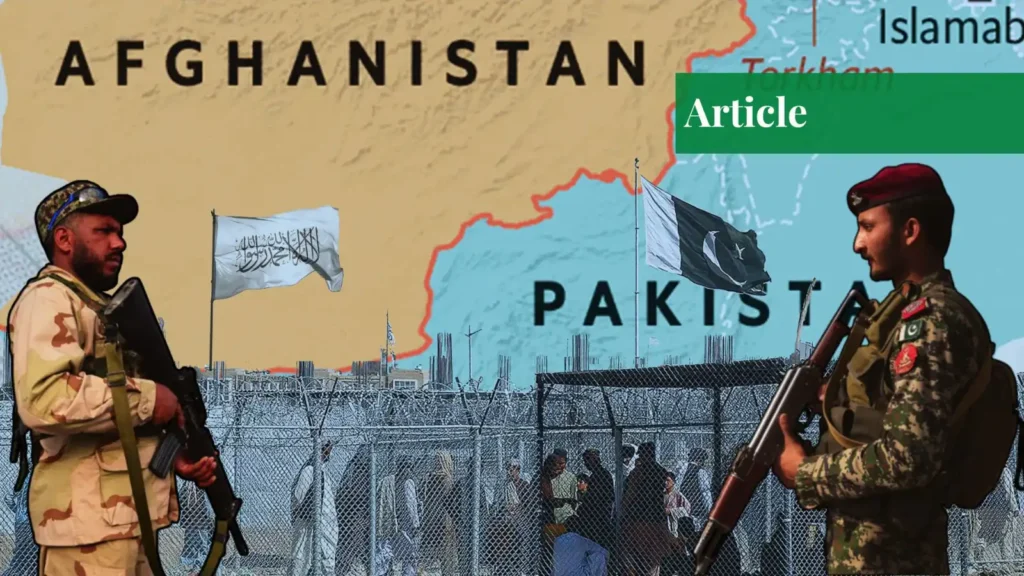
The Pakistan-Afghanistan border, commonly known as the Durand Line, has long been a source of friction. Disputes over territory, militant safe havens, and refugee flows have repeatedly strained ties.
Since the Taliban takeover of Afghanistan in 2021, Pakistan has accused Kabul of failing to control militant groups targeting its territory. Afghan Taliban leaders, however, deny harboring militants and often blame Pakistan for civilian casualties during cross-border strikes.
This cycle of accusations has fueled mistrust and periodic clashes, setting the stage for the current crisis.
What happened in the last 24 hours
The latest escalation began with Taliban forces launching attacks on Pakistani border positions. Kabul described the action as retaliation for Pakistani airstrikes that reportedly killed civilians in Afghan territory.
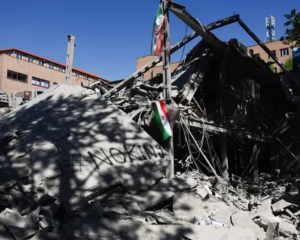
Pakistan responded swiftly with Operation Ghazab Lil Haqq, targeting suspected militant hideouts in multiple Afghan provinces. Afghan officials claimed civilian casualties, including women and children, while Islamabad insisted the strikes focused solely on militant infrastructure.
Taliban spokesperson Zabihullah Mujahid said Afghan forces carried out extensive retaliatory operations against Pakistani military positions. Meanwhile, Pakistan’s Ministry of Information maintained that its response was defensive and proportionate.
Operation Ghazab Lil Haqq explained
Operation Ghazab Lil Haqq — translated as Righteous Fury — marked one of Pakistan’s most aggressive military responses in recent months. The campaign reportedly involved:
- Precision airstrikes on suspected militant camps
- Artillery fire along contested border areas
- Increased troop deployment near key crossing points
Pakistan’s military strategy aimed to deter further attacks and demonstrate its willingness to pursue militants across borders when necessary.
Taliban retaliation and battlefield claims
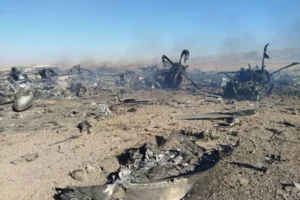
Taliban forces claimed they inflicted casualties on Pakistani troops and captured soldiers during clashes, though independent verification remains difficult due to limited media access.
The Taliban’s military structure lacks a sophisticated air force but relies heavily on guerrilla tactics developed during decades of insurgency. These tactics include ambushes, hit-and-run attacks, and use of drones for surveillance.
Despite limited heavy weaponry, the Taliban’s battlefield experience has proven effective in asymmetric warfare.
Military imbalance and guerrilla warfare
The conflict highlights a stark military imbalance:
Pakistan’s strengths
- Advanced air force and artillery
- Larger troop numbers
- Intelligence and surveillance capabilities
Taliban strengths
- Guerrilla warfare experience
- Knowledge of terrain
- Ideological motivation and decentralized command
This imbalance makes the conflict unpredictable, as conventional military superiority does not guarantee strategic dominance against insurgent tactics.
Regional and global implications
A prolonged Pakistan Afghanistan Open War scenario could have far-reaching consequences:
- Increased refugee flows and humanitarian pressure
- Economic disruption and trade blockades
- Opportunities for militant groups to expand
- Diplomatic strain across South and Central Asia
Regional powers including Gulf states and Turkey have historically mediated during similar crises, raising hopes that diplomacy could again prevent escalation
Can diplomacy prevent further escalation?
Experts emphasize that dialogue remains the only sustainable solution. Confidence-building measures, intelligence cooperation, and border management agreements could help reduce tensions.
Analysts suggest third-party mediation may play a critical role in restarting negotiations and preventing the conflict from spiraling into sustained warfare.
Without diplomatic engagement, the risk of miscalculation and prolonged violence remains high.
Resources (DoFollow):
Read more on CNN: https://edition.cnn.com/2026/02/27/asia/afghanistan-pakistan-strikes-what-we-know-intl-hnk
Further more on FOX News: https://www.foxnews.com/world/taliban-unleash-extensive-offensive-pakistan-deadly-border-strikes-erupt