
8 California Avalanche Skiers Dead in Shocking Lake Tahoe Tragedy
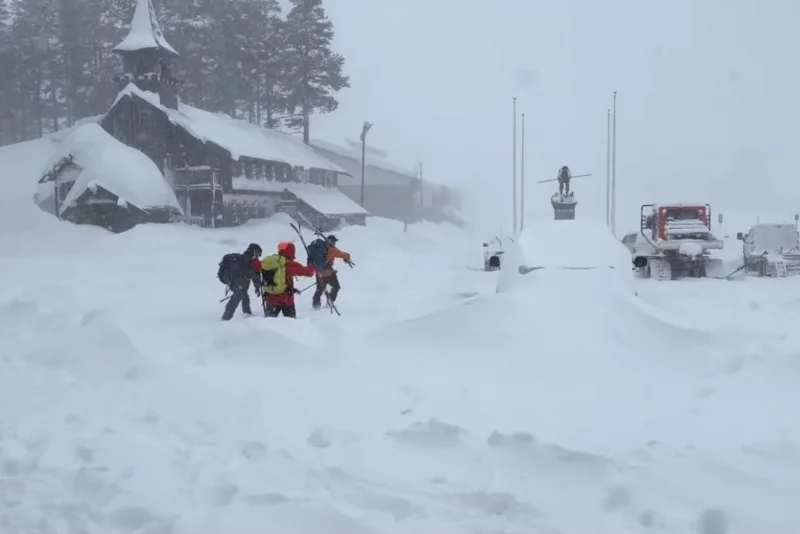
Members of a rescue team trudge through dangerous winter conditions on February 17 in Soda Springs, California, the United States [Nevada County Sheriff's Office via AP]
8 California Avalanche Skiers Dead After Massive Snow Slide
8 California avalanche skiers dead following a devastating backcountry avalanche near Lake Tahoe, marking one of the deadliest snow-related disasters in the United States in decades. The tragedy occurred during a powerful winter storm that blanketed the Sierra Nevada mountains with heavy snow, creating dangerous and unstable conditions across popular recreation areas.
Authorities confirmed that rescue crews recovered eight bodies from the avalanche site while one additional skier remains missing and is presumed dead. The incident has sent shockwaves through the winter sports community and highlighted the risks associated with backcountry skiing during severe weather events.
Avalanche Strikes Backcountry Ski Group
The avalanche struck Tuesday morning in the Castle Peak area near Donner Summit, within Tahoe National Forest. Officials reported that 15 skiers were caught in the massive slide, described by rescuers as “football-field-sized.”
Witnesses said the avalanche happened suddenly, giving skiers little time to react. According to Capt. Russell “Rusty” Greene of the Nevada County Sheriff’s Office, someone shouted a warning moments before the snow overtook the group.
Six skiers survived the disaster after being rescued roughly six hours later, but the remaining victims were buried under deep snow. Search teams used avalanche probes, rescue dogs, and heavy equipment to locate the missing individuals.
Sheriff Shannan Moon confirmed during a news conference that the search continues for the final missing skier, though hopes for survival are minimal due to the time elapsed and harsh conditions.
Severe Winter Storm Created Dangerous Conditions
The deadly avalanche occurred as a major winter storm hammered the Sierra Nevada region with heavy snowfall and strong winds. Avalanche experts warned that rapid snow accumulation created unstable layers in the snowpack, increasing the likelihood of slides.
The Sierra Avalanche Center had issued alerts indicating high avalanche danger across the area. Additional snowfall following the initial storm further worsened conditions, making rescue operations more difficult and risky.
Castle Peak and Donner Summit are known for deep powder and steep terrain, attracting experienced backcountry skiers seeking untouched snow. However, these same features can quickly become hazardous when storms produce unstable snow layers.
Emotional Toll on Rescuers and Community
The tragedy has deeply affected local rescue teams and the broader outdoor community. Authorities revealed that one of the victims was the spouse of a search-and-rescue team member, adding an emotional dimension to the recovery efforts.
Local officials praised rescuers for working tirelessly despite dangerous conditions and personal grief. Community members and outdoor groups have shared tributes to the victims, describing them as passionate skiers and adventurers who loved the mountains.
The disaster also serves as a stark reminder of the unpredictable nature of backcountry travel, even for experienced individuals.
Deadliest Avalanche in Decades
The 8 California avalanche skiers dead incident is considered the deadliest avalanche in the United States since 1981, when 11 climbers were killed on Mount Rainier.
According to the National Avalanche Center, avalanches claim between 25 and 30 lives annually across the country. Most fatalities involve recreational users such as skiers, snowboarders, and snowmobilers traveling in uncontrolled backcountry terrain.
Earlier this year, another avalanche near Castle Peak killed a snowmobiler, underscoring the persistent danger in the region.
Backcountry Skiing Risks and Safety Lessons
Experts say the tragedy highlights the importance of avalanche awareness and preparedness. While backcountry skiing offers solitude and pristine snow, it also requires careful planning and risk management.
Key safety measures include:
- Checking avalanche forecasts before heading out
- Carrying avalanche safety gear such as beacons, probes, and shovels
- Traveling with trained partners or certified guides
- Avoiding steep slopes during high-risk periods
- Taking avalanche safety courses
Avalanche professionals emphasize that even experienced skiers can be caught off guard by rapidly changing mountain conditions.
Ongoing Warnings as Storm Continues
Authorities continue urging skiers and snowmobilers to avoid high-risk terrain as winter storms persist in the Sierra Nevada. Avalanche danger remains elevated in many areas due to ongoing snowfall and unstable snowpack layers.
Rescue teams have scaled back active search efforts due to safety concerns but remain ready to respond if conditions allow. Officials say investigations will examine weather patterns, terrain factors, and group decisions leading up to the avalanche.
Conclusion
The 8 California avalanche skiers dead tragedy near Lake Tahoe stands as a heartbreaking reminder of nature’s power and the inherent risks of backcountry recreation. While the Sierra Nevada mountains offer breathtaking beauty and world-class skiing, they also demand respect, preparation, and awareness.
As families mourn and communities reflect, safety experts hope the incident will encourage greater avalanche education and caution among winter adventurers. The mountains will always draw outdoor enthusiasts, but tragedies like this highlight the importance of balancing adventure with safety.
DoFollow Resources:
Winter storm updates: https://weather.gov