
US Military Strike Iran: Rising Tensions as Trump Weighs Military Action
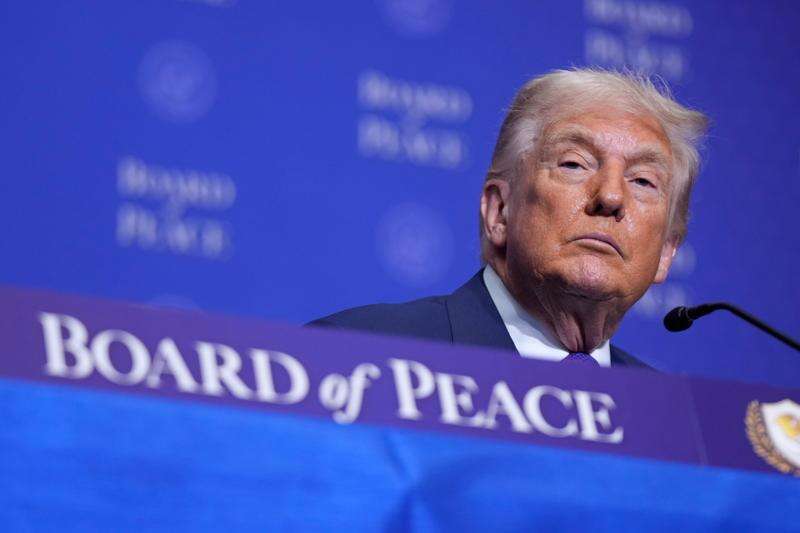
President Donald Trump speaks at the first meeting of his Board of Peace in Washington
US Military Strike Iran tensions rise as Donald Trump warns Tehran of “really bad things” without a nuclear deal. Military buildup, diplomacy, and Middle East risks explained.
The US Military Strike Iran scenario is gaining global attention as tensions between Washington and Tehran escalate. With a major military buildup in the Middle East and strong warnings from former U.S. President Donald Trump, fears of a potential confrontation are growing.
Trump recently warned Iran that failure to reach a nuclear agreement could result in “really bad things,” hinting at possible military action within 10 to 15 days. While diplomacy continues, military planners are reportedly preparing for potential strikes as early as this weekend.
US Military Strike Iran Tensions Escalate
The prospect of a US Military Strike Iran has intensified following increased deployment of American air and naval assets across the Middle East. Officials familiar with planning say forces could be ready for action within days, though no final order has been given.
Trump’s comments about Iran’s nuclear capability being “decimated” after earlier airstrikes suggest Washington believes military pressure could push Tehran toward compromise. However, experts warn that even limited strikes could spark wider regional conflict.
Trump’s Warning Sets a Possible Deadline
Speaking in Washington and later aboard Air Force One, Trump indicated Iran had limited time to reach a meaningful nuclear agreement.
He suggested a 10–15 day window for diplomacy to succeed before stronger measures might be considered. The warning reflects the administration’s long-standing position that Iran must not obtain nuclear weapons.
Iran, meanwhile, insists its nuclear program is peaceful and has repeatedly called for sanctions relief as part of any agreement.
Military Buildup Signals Strike Readiness
A significant US military buildup is one of the clearest indicators behind the US Military Strike Iran speculation. Reports point to:
- Additional aircraft carriers and warships deployed
- Strategic bombers positioned in the region
- Enhanced air defense and intelligence operations
Security analysts note that such deployments are often designed to deter adversaries while maintaining readiness for rapid action.
Diplomatic Talks Continue Despite Threats
Despite harsh rhetoric, diplomatic channels remain open. Negotiators from both countries recently held indirect talks in Geneva, exchanging proposals and agreeing on guiding principles.
Iran’s Foreign Minister Abbas Araqchi described discussions as constructive, though U.S. officials acknowledged significant differences remain.
The White House maintains that diplomacy is preferred but insists military options remain available if negotiations fail.
Possible US Military Strike Iran Scenarios
If Washington chooses military action, analysts believe several options exist:
1. Targeted Airstrikes
Limited strikes on nuclear facilities or military sites aimed at degrading Iran’s capabilities without triggering full war.
2. Sustained Military Campaign
Longer operations lasting weeks, potentially targeting broader infrastructure and strategic assets.
3. Leadership Decapitation Strategy
More aggressive plans could involve strikes against senior Iranian leadership — a move that would carry enormous geopolitical risk.
Experts caution that any of these options could provoke retaliation across the region.
Global Oil Markets and Security Risks
Even the possibility of a US Military Strike Iran has already impacted global markets. Oil prices have risen amid fears of disruptions in the Gulf of Oman — a vital route for energy shipments.
Iran’s naval drills with Russian participation have further heightened tensions, signaling the crisis could draw in global powers.
Regional Reactions and Israel’s Role
Israel remains closely involved in the diplomatic and security developments. U.S. Secretary of State Marco Rubio is expected to visit Israel to brief Prime Minister Benjamin Netanyahu on negotiations and military planning.
Israel has long warned that Iran’s nuclear ambitions pose an existential threat and has supported strong international pressure.
Future Outlook: Diplomacy or Conflict?
The coming days will likely determine whether diplomacy can prevent escalation. Trump faces a complex decision balancing:
- Domestic political considerations
- Regional security dynamics
- Global economic impact
- Military risks
Advisers reportedly remain divided, with some pushing for continued diplomacy while others argue military pressure is necessary.
External DoFollow Links
- Learn about nuclear diplomacy: https://www.iaea.org
- Middle East security analysis: https://www.cfr.org
- Oil market updates: https://www.reuters.com