US and Israel Attack Iran: Shocking War Escalations
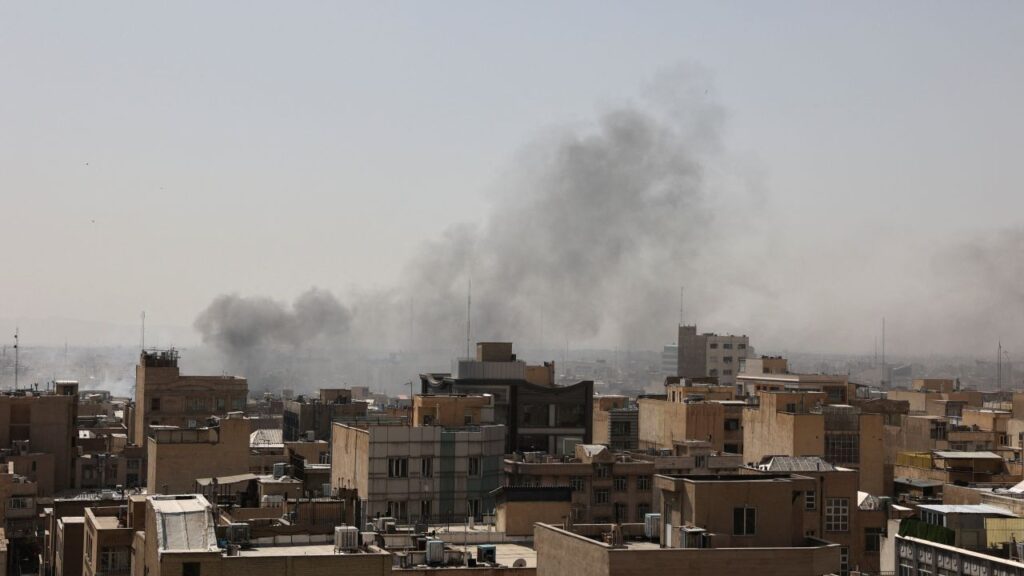
Data as of Feb. 28, 2026 at 5:00 a.m. ET Sources: Iranian state-run news agencies Fars and IRNA Graphic: Renée Rigdon and Lou Robinson, CNN
US and Israel Attack Iran in a dramatic military escalation as Tehran retaliates across the Middle East. Discover 7 shocking developments, global reactions, and what this means for regional stability.
US and Israel Attack Iran: Major Escalation Sparks Regional Crisis
US and Israel Attack Iran in what officials describe as a massive and ongoing military campaign targeting key Iranian leadership and military infrastructure. The escalation marks one of the most dangerous confrontations in modern Middle East history, triggering swift retaliation from Tehran and raising fears of a broader regional war.
The strikes reportedly targeted leadership facilities linked to Iran’s Supreme Leader, President, and military command structure. In response, Iran launched missile and drone attacks on Israeli territory and US military assets across multiple Middle Eastern countries.
The unfolding crisis has drawn international concern, with global powers urging restraint as explosions rocked cities across the region.
Overview of the Conflict
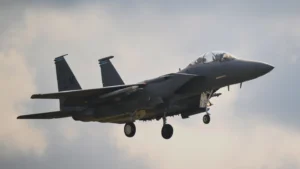
The announcement that US and Israel Attack Iran came after coordinated air and missile strikes were carried out on strategic Iranian targets.
According to statements released by the White House and Israeli officials, the operation aims to neutralize perceived threats posed by Tehran’s military infrastructure.
President Donald Trump described the campaign as “massive and ongoing,” warning that American lives could be at risk. Israel released footage of airstrikes conducted inside Iranian territory.
Iran quickly retaliated, signaling that the confrontation would not remain limited.
Why US and Israel Attack Iran
The decision that US and Israel Attack Iran appears to stem from escalating tensions involving missile development, regional proxy conflicts, and longstanding security disputes.
Israel has repeatedly warned that Iran’s military expansion poses an existential threat. The United States has expressed concerns over Iran’s nuclear ambitions and regional influence.
Israel’s defense ministry stated that the strikes were aimed at high-ranking leadership figures and strategic facilities.
Trump Calls for Regime Change
When US and Israel Attack Iran, the rhetoric quickly escalated.
President Donald Trump called on Iranians to “take over your government,” describing the moment as “the hour of your freedom.”
This statement signals that Washington’s objectives may extend beyond military deterrence toward political transformation in Tehran.
Critics argue that regime change efforts could destabilize the entire region further.
Iran’s Retaliation Across the Middle East
After US and Israel Attack Iran, Tehran launched an unprecedented wave of retaliatory strikes.
Missiles and drones targeted:
- Israel
- Qatar
- United Arab Emirates
- Bahrain
- Kuwait
- Saudi Arabia
- Iraq
- Syria
- Jordan
Explosions were reported in Dubai, where airports temporarily suspended flights.
The scale of Iran’s response demonstrates its regional reach and alliance networks.
Global Reaction and Diplomatic Fallout
As US and Israel Attack Iran, global leaders expressed alarm.
The United Arab Emirates called the conflict a “historic moment,” highlighting the failure of diplomatic efforts.
European allies urged restraint, while some Arab nations condemned Iran’s retaliation rather than the initial strikes.
Legal and Political Controversy
The escalation has sparked debate over international law.
Trita Parsi of the Quincy Institute argued there was no clear international legal basis for the US action.
He stated that the attack contradicts earlier promises by Donald Trump to avoid “forever wars.”
What we know about the US-Israeli attack on Iran and Tehran’s retaliation
The United States and Israel have launched a sweeping military assault on Iran, a move that President Donald Trump said would devastate Iran’s armed forces, dismantle its military infrastructure, and potentially bring down its ruling regime.
In a video message posted on Truth Social, Trump accused Tehran of refusing “every opportunity to renounce their nuclear ambitions,” adding that the United States “can’t take it anymore.”
Unlike the previous US and Israeli strikes on Iran in June, which were carried out overnight and concluded within hours, this latest operation began in broad daylight on Saturday morning — the first working day of the week in Iran — as millions headed to work and school. Sources familiar with the situation told CNN that the US military is preparing for several days of sustained attacks, signaling a wider and more prolonged campaign.
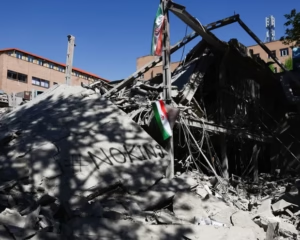
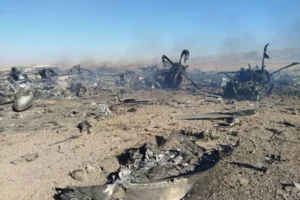
Iran has responded with what officials describe as an unprecedented wave of retaliatory strikes across the Middle East. Targets reportedly include multiple countries that host US military bases. Explosions have been reported from the shores of Dubai to central Doha, raising fears that the conflict could spiral into a broader regional war.
The full scale of destruction inside Iran and across neighboring states is still unfolding. Here’s what we know so far.
What Happens Next?
Now that US and Israel Attack Iran, the key question is whether this escalates into full-scale war.
Possible scenarios include:
- Limited but prolonged strikes
- Cyber warfare expansion
- Proxy conflicts intensifying
- Diplomatic negotiations reopening
Energy markets and global shipping lanes remain vulnerable.
Conclusion
US and Israel Attack Iran marks a dramatic turning point in Middle East geopolitics. The strikes and retaliations have already destabilized multiple countries and drawn global concern.
With leadership targets struck and missiles crossing borders, the stakes have never been higher.
Whether this confrontation remains limited or expands into a wider war depends on the next moves from Washington, Jerusalem, and Tehran.
The world now watches closely as diplomacy, military power, and political rhetoric collide in one of the most volatile regions on earth.
Resources (DoFollow):
Read more on CNN: https://edition.cnn.com/2026/02/28/middleeast/israel-attack-iran-intl-hnk
Further more at Al Jazeera: https://www.aljazeera.com/news/liveblog/2026/2/28/live-israel-launches-attacks-on-iran-multiple-explosions-heard-in-tehran