Trump NATO Strait of Hormuz: Explosive Tensions Rock Global Oil Markets
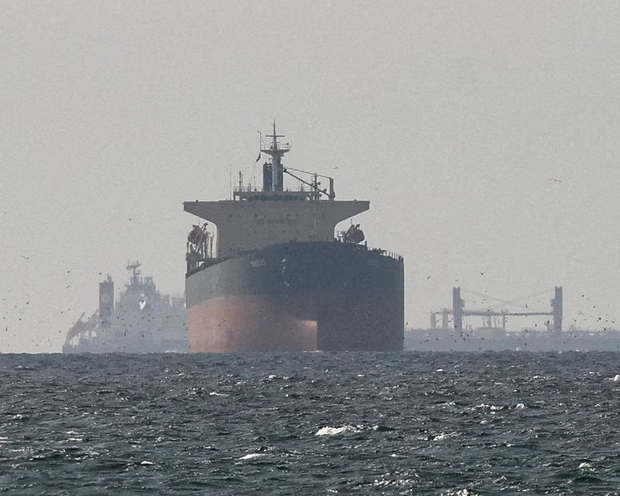
Cargo ships in the Gulf, near the strait of Hormuz. Photograph: Reuters
Trump NATO Strait of Hormuz tensions rise as Trump criticizes NATO allies and signals winding down Iran war. Read full analysis, timeline, and global impact.
Trump criticizes NATO allies and signals winding down Iran war
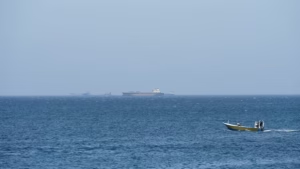
Trump NATO Strait of Hormuz tensions have taken center stage in global politics as former US President Donald Trump sharply criticized NATO allies while signaling a possible reduction in US military operations in the Middle East. The situation surrounding the Strait of Hormuz—a critical global oil route—has intensified following escalating conflict between the United States, Israel, and Iran.
This article provides a comprehensive breakdown of the latest developments, geopolitical implications, and what this means for global stability.
Trump NATO Strait of Hormuz Statement
The Trump NATO Strait of Hormuz controversy erupted after Trump labeled NATO allies as “cowards” for failing to support US efforts in securing the vital shipping lane. His remarks came amid increasing tensions with Iran and growing uncertainty over international cooperation.
Trump emphasized that:
- The United States does not rely heavily on the Strait of Hormuz
- Other nations benefiting from the route should take responsibility
- The US may assist, but only if requested
This statement signals a shift in US foreign policy priorities and raises questions about NATO unity.
War Timeline and Key Developments
Escalation Phase
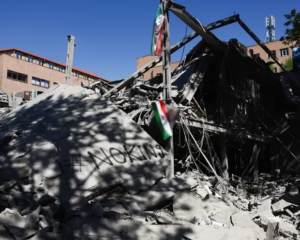
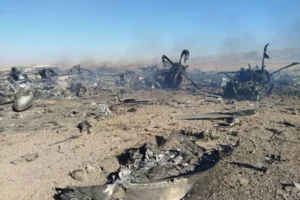
- US-Israeli strikes targeted Iranian military infrastructure
- Iran retaliated by threatening vessels in the Strait of Hormuz
Recent Military Actions
- Deployment of thousands of US troops to the Middle East
- Three additional warships sent to the region
- Second Marine deployment within a week
Current Status
- Conflict nearing the third week
- No ceasefire agreement in sight
- Diplomatic tensions remain high
US Strategy: Winding Down Military Efforts
A major highlight of the Trump NATO Strait of Hormuz situation is Trump’s announcement that the US is considering “winding down” military operations.
Key Points of Strategy
- The US claims it is “close to meeting objectives”
- Focus may shift from direct intervention to strategic support
- Responsibility may be transferred to allied nations
Despite this, Pentagon officials confirmed increased troop presence, suggesting a dual strategy of de-escalation and preparedness.
NATO’s Role and Trump’s Criticism
Trump’s criticism of NATO is one of the most controversial aspects of the Trump NATO Strait of Hormuz issue.
Why Trump Criticized NATO
- Lack of direct military support
- Perceived imbalance in burden-sharing
- Strategic disagreements over Iran policy
NATO’s Response
- Withdrawal of personnel from Iraq
- Relocation of forces to Europe
- Limited involvement in the Strait crisis
Iran’s Response and Regional Impact
Iran has shown strong resistance amid the Trump NATO Strait of Hormuz tensions.
Iran’s Position
- Denial of weakened missile capabilities
- Continued military readiness
- Threats to pursue enemies beyond borders
Regional Reactions
- Gulf nations intercepted drones and missiles
- Heightened security during Eid celebrations
- Increased military vigilance across the region
Oil Prices and Global Economic Shock
The Trump NATO Strait of Hormuz crisis has significantly impacted global oil markets.
Key Economic Effects
- Brent crude reached $112.19 per barrel
- Intraday spike to $119, highest since 2022
- Increased volatility in global energy markets
Why This Matters
The Strait of Hormuz handles nearly 20% of global oil supply, making it one of the most critical chokepoints in the world.
Strait of Hormuz: Why It Matters
Strategic Importance
- Connects the Persian Gulf to global markets
- Essential for oil exports from Gulf countries
Global Dependence
Countries heavily reliant on this route include:
- China
- India
- Japan
- European nations
Trump’s suggestion that these nations should “police” the Strait has sparked debate about global security responsibilities.
Future Outlook of the Conflict
The future of the Trump NATO Strait of Hormuz crisis remains uncertain.
Possible Scenarios
- De-escalation: Gradual withdrawal of US forces
- Regional Control: Gulf nations take security responsibility
- Further Escalation: Continued conflict with Iran
- Diplomatic Talks: Potential negotiations without ceasefire
Conclusion
The Trump NATO Strait of Hormuz crisis highlights a major shift in global geopolitical dynamics. With rising tensions, shifting alliances, and economic consequences, the situation remains highly volatile.
Trump’s remarks have not only challenged NATO unity but also raised critical questions about the future of international security cooperation. As the world watches closely, the decisions made in the coming weeks could reshape the balance of power in the Middle East and beyond.
(DoFollow) Resources:
Read more on WSJ: https://www.wsj.com/livecoverage/iran-us-israel-war-updates-2026
Further more at The Guardian: https://www.theguardian.com/world/live/2026/mar/20/iran-war-live-updates-oil-prices-israel-netanyahu-ground-component-us-tensions-hormuz