Strait of Hormuz Updates: Critical Post-Ceasefire Analysis of US–Iran Tensions
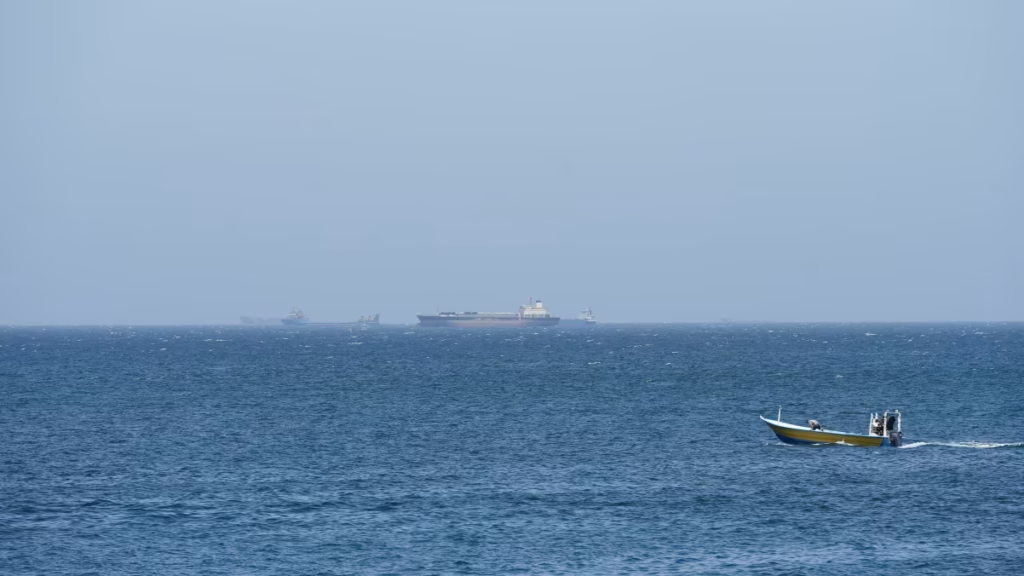
Strait of Hormuz updates reveal rising tensions after the US–Iran ceasefire.
Strait of Hormuz updates reveal rising tensions after the US–Iran ceasefire. Learn how ongoing risks, toll payments, shipping delays, and IRGC control of routes are shaping global oil, LNG, and supply chain stability.
Strait of Hormuz Updates: After the US–Iran Ceasefire
The Strait of Hormuz updates following the fragile US–Iran ceasefire reveal a highly uncertain and volatile situation. This narrow waterway — responsible for transporting nearly 20% of the world’s oil supply — has become the epicenter of geopolitical tension after Iran effectively choked off maritime traffic for weeks.
Although the ceasefire includes a clause guaranteeing “safe passage,” new reports show that vessels are still receiving messages warning them that they will be “targeted and destroyed” without explicit permission from Iranian authorities.
Despite global anticipation, the shipping traffic remains far below normal, and the world economy continues to feel the shocks generated by this crisis.
Why the Strait of Hormuz Matters to the World Economy
The Strait of Hormuz, connecting the Gulf to the Gulf of Oman, serves as a lifeline for:
- 20% of global crude oil exports
- A major share of liquefied natural gas (LNG)
- Critical chemicals for electronics, pharmaceuticals & agriculture
Before the conflict began, approximately 138 ships crossed the strait daily. But after the conflict, those numbers dropped to almost zero.
This chokepoint has repeatedly proven that a single regional conflict can trigger:
- Oil price spikes
- LNG shortages
- Supply chain disruptions
- Delays in electronics manufacturing
- Increased cost of transportation and insurance
Ceasefire Overview: What Was Agreed?
The two-week US–Iran ceasefire included:
- A “guarantee” of safe passage
- A pause in aerial and maritime attacks
- A roadmap to negotiate a longer-term end to hostilities
- A Pakistani-brokered agreement after a 10-point proposal from Tehran
However, experts emphasize that the ceasefire has not materially improved conditions for ships attempting the crossing.
Strait of Hormuz Updates: Threat Messages to Ships
Shipping companies reported receiving direct warnings stating vessels would be destroyed if they attempted to cross without IRGC permission.
Only 11 ships successfully crossed the strait in the two days following the ceasefire — a dramatic drop from pre-conflict averages.
Vessels’ movements are being monitored closely, and many avoid broadcasting their GPS coordinates to prevent detection.
Shipping Disruptions & Global Economic Shockwaves
The full effects of the disruption include:
- Oil price volatility
- LNG supply constraints
- Stranded tankers carrying billions of dollars’ worth of cargo
- Temporary shutdowns in manufacturing hubs
- Rising freight insurance costs
The Strait of Hormuz updates show that even a temporary halt can fracture global markets.
Strait of Hormuz Updates: New IRGC-Controlled Northern Route
BBC Verify found that ships are now forced to take a northern route hugging the Iranian coastline — within Iranian territorial waters — rather than the international-route midline near Oman.
The IRGC released a map illustrating this new “safe route,” but shipping analysts say:
- It gives Iran full operational control
- It forces vessels into narrow, risky waters
- It limits maneuverability in case of danger
Nearly 800 Ships Stuck: The Largest Maritime Traffic Jam in Modern History
More than 800 ships have been stranded in or around the Gulf region. These include:
- Fully loaded oil tankers
- LNG carriers
- Chemical transporters
- Container ships
- Bulk carriers transporting food & minerals
When crossings resume, analysts expect fully loaded tankers to be given priority.
Ceasefire Limitations & Short-Term Uncertainty
The ceasefire lasts only two weeks, raising concerns that:
- Ships may be trapped again
- Transit could be weaponized through tolls
- A resumption of conflict would endanger crews still in the Gulf
Shipping firms like Hapag-Lloyd have already stated they will not risk entering the strait until:
- Iran provides clear written instructions
- The US clarifies long-term policy
- Insurance companies confirm risk underwriting
Risk of Sea Mines & Maritime Safety
According to the International Chamber of Shipping, sea mines may have been deployed. This poses a severe threat because:
- Mines can remain active for years
- They are difficult to detect
- One explosion can shut down the strait again
The risk of mines is one of the top reasons for delayed crossings.
Toll Payments and Sanction Complications
Iran is reportedly requesting toll payments from commercial ships.
Complications include:
- Paying Iran may violate US sanctions
- Some tolls have already been paid in Chinese yuan
- Countries like India, Malaysia, and the Philippines negotiated exceptions
- Western shipping lines risk legal consequences if payments are traced
The toll issue remains a major stumbling block in reopening the strait.
Who Controls the Strait of Hormuz Now?
Iran’s Foreign Minister confirmed that during the ceasefire, safe passage will be coordinated directly with Iranian armed forces.
This essentially formalizes:
- Iran’s full control over transit routes
- IRGC’s authority to approve or deny ships
- A shift away from international norms
- A long-term geopolitical influence over oil and LNG flows
Conclusion: The Future of the Strait of Hormuz
The latest Strait of Hormuz updates reveal a dangerous and unpredictable situation despite the ceasefire. Shipping companies remain wary, economic shockwaves persist, and Iran’s control over new routes introduces long-term strategic uncertainties.
If the ceasefire holds and negotiations progress, traffic may return — but experts warn that the geopolitical risk has fundamentally changed.
For now, the world waits to see whether the Strait of Hormuz will reopen as a stable artery of global trade or remain a pressure point in one of the most volatile regions on Earth.
External (DoFollow) Resources:
Follow for more at BBC: https://www.bbc.com/news/articles/c3w39lg84w2o
Read further on CNN: https://edition.cnn.com/2026/04/09/business/shipping-vessels-oil-ceasefire-strait-of-hormuz