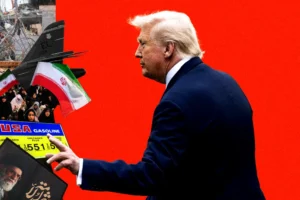
Iran US Ceasefire Plan: Shocking Developments in a Tense and Powerful Diplomatic
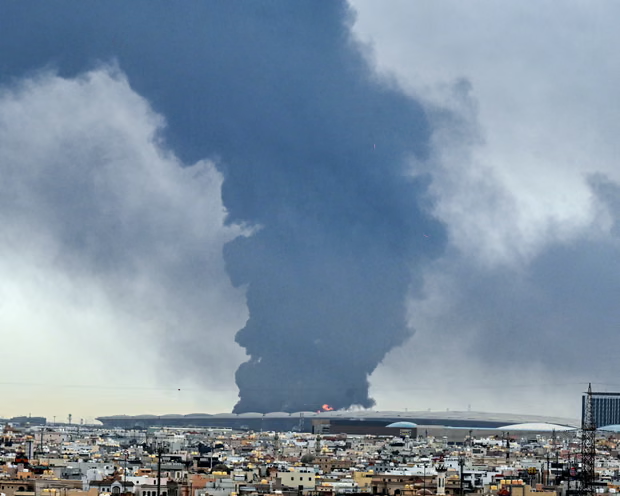
Smoke billows from a fuel depot at Kuwait international airport after an Iranian attack. Photograph: Xinhua/Shutterstock
The Iran US Ceasefire Plan faces major setbacks as Tehran rejects Washington’s proposal and introduces its own bold five-point terms. Explore key updates, regional impacts, and expert insights.
Iran US Ceasefire Plan: Beginning of a New Diplomatic Showdown
Iran US Ceasefire Plan negotiations reached a dramatic turning point this week as Tehran firmly rejected Washington’s proposal and instead delivered its own five-point roadmap for ending the escalating regional war. The ongoing conflict — now in its fourth week — has intensified across the Middle East, drawing in multiple actors and raising global concern about a wider war.
In this long-form analysis, we break down everything you need to know about the evolving Iran US Ceasefire Plan, its political implications, and its potential impact on the future of the region.
Background of the Iran–US Conflict
Relations between Iran and the United States have been tense for decades, but the latest conflict erupted after a series of military escalations involving US forces, Iranian paramilitary groups, and Israeli strikes across the region.
Previous diplomatic attempts have failed, leaving both sides entrenched in aggressive postures.
Iran Rejects the US Ceasefire Proposal
Iranian state television quoted a senior political-security official confirming that Tehran dismissed the US proposal delivered via Pakistan. According to the official:
Iran “will end the war when it decides and when its conditions are met.”
The rejection underlines Iran’s commitment to continue military operations across the region until it feels its sovereignty and interests are fully secured.
Tehran believes Washington’s initial proposal was “extremely maximalist and unreasonable,” particularly regarding security guarantees and the terms for ending hostilities.
Iran’s Five-Point Counter-Proposal for the Iran US Ceasefire Plan
Iran’s leadership introduced a five-point counterproposal, which includes:
Complete End to Fighting
Tehran demands a halting of all aggressive operations against its territory and allies.
End of Assassinations of Iranian Officials
After multiple high-profile killings, Iran insists on international guarantees that the assassinations must stop.
Guarantee Against Any Future War
Iran wants legal and political assurances that no new war will be launched against it.
Reparations for War Damages
Tehran seeks compensation for lives lost, infrastructure damage, and economic losses.
Iranian Control Over the Strait of Hormuz
Perhaps the most controversial demand, Iran insists on full authority over the world’s most important oil route.
This last point is viewed as a major obstacle for Washington and US allies.
US Reaction: Talks Continue Despite Iran’s Rejection
White House Press Secretary Karoline Leavitt stated that discussions remain “productive” and emphasized that:
“Iran wants to talk and President Trump is willing to listen.”
Despite the rejection, the US maintains a 4–6 week goal for ending the war, describing recent military progress as a “resounding victory.”
President Trump also warned Iran that the US is ready to “hit harder than they have ever been hit before.”
Massive Troop Movements and Regional Military Tensions
Iran’s Parliament Speaker Mohammad Bagher Ghalibaf warned that Tehran is monitoring every US military movement, especially troop deployments.
NBC News reported that the US is preparing to deploy over 1,000 paratroopers to the region. Meanwhile:
- Iranian missiles triggered air alarms across Israel
- Israeli forces bombed Beirut
- Israel pushes deeper into southern Lebanon with new occupation plans
The Iran US Ceasefire Plan hangs in a delicate balance as war intensifies.
Death Toll Surpasses 2,000
The conflict’s humanitarian toll continues to climb:
- 1,200+ killed in Iran
- 1,000+ killed in Lebanon
- 17 killed in Israel
- 13 US soldiers killed, 2 deaths from other causes
The Iranian Red Crescent Society has warned that casualties may grow rapidly if fighting continues under current conditions.
Israel’s Concern Over a Premature Ceasefire
Israeli officials fear the war might end before Israel fully dismantles Iran’s weapons programs.
They have communicated that more time is needed to “neutralize strategic threats.”
This creates tension between Washington’s diplomatic ambitions and Tel Aviv’s military goals.
Strait of Hormuz: The Critical Factor in the Iran US Ceasefire Plan
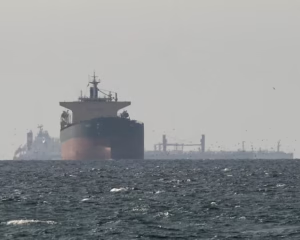
The Strait of Hormuz is the world’s most important oil shipping route, responsible for 20% of global petroleum movement.
President Trump even joked:
“Maybe me and the ayatollah can control it together.”
But analysts say joint control is unlikely, and US officials consider Iran’s demand for full control a non-starter.
This single issue may decide whether the Iran US Ceasefire Plan succeeds or collapses.
Global Reactions and Expert Opinions
International reactions vary:
- European diplomats urge immediate de-escalation
- Russia supports Iran’s right to security but encourages negotiations
- China wants stability for global trade routes
Experts warn that without compromise, the conflict may spill into a broader regional war.
(DoFollow) External Links:
Follow further at TNYT: https://www.nytimes.com/live/2026/03/25/world/iran-war-trump-oil-news
Read this also on The Guardian: https://www.theguardian.com/world/2026/mar/25/iran-gives-negative-response-to-us-ceasefire-plan-amid-push-for-talks