Donald Trump Cuba: Shocking Signs the Island Could Be His Next Target
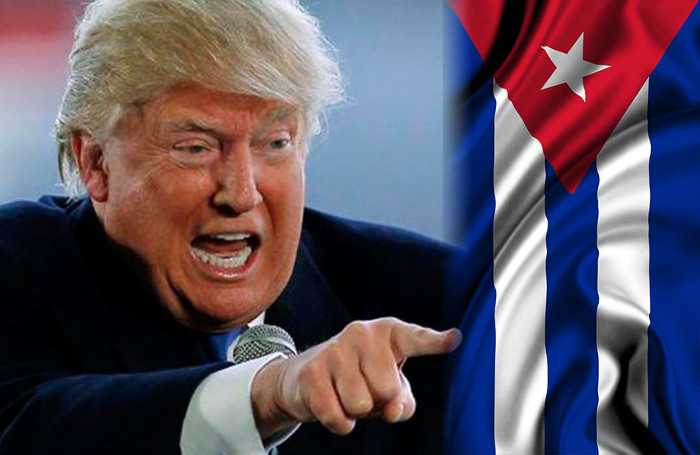
Donald Trump Cuba policy speech
Donald Trump Cuba tensions are rising as the US president hints the island may “fall soon.” Discover 7 key developments, economic pressures, and geopolitical risks shaping the future of Cuba.
Donald Trump Cuba: Is Cuba the Next Target After Iran?
Donald Trump Cuba tensions are quickly becoming one of the most discussed geopolitical issues of 2026. After escalating conflicts in the Middle East, the U.S. president has hinted that his administration may soon focus on the Caribbean island nation.
During a White House event celebrating the Major League Soccer champions Inter Miami, President Donald Trump suggested that Cuba’s communist government could collapse soon and hinted that policy changes toward the island may be imminent.
These remarks have sparked global debate about whether the United States is preparing for another major foreign policy confrontation.
Why Donald Trump Is Talking About Cuba
In recent public statements, Donald Trump hinted that Cuba may become a priority for his administration after current geopolitical conflicts.
While hosting soccer star Lionel Messi and the Inter Miami CF team at the White House, Trump told guests that something significant may soon happen in Cuba.
He later went further in media interviews, stating that “Cuba is going to fall pretty soon.”
The comments were interpreted by analysts as a signal that Washington could intensify its strategy against the communist-led government in Havana.
Cuba’s Long Economic Crisis
Cuba has faced economic challenges for decades. The country has experienced:
- Severe shortages of food and medicine
- Rolling electricity blackouts
- Limited fuel supplies
- Declining tourism revenue
The island has struggled economically since the collapse of the Soviet Union in the early 1990s, and recent geopolitical tensions have worsened the situation.
Many Cubans now face daily hardships that affect basic necessities. Reports from Havana indicate that some residents are openly discussing political change, something rarely expressed publicly in the tightly controlled state.
Donald Trump Cuba: U.S. Pressure and the Oil Blockade
One of the biggest factors in the current crisis is the tightening U.S. pressure on Cuba.
The United States has imposed a long-standing trade embargo on the island since the 1960s. Over time, Washington has introduced additional sanctions aimed at weakening the Cuban economy.
Recently, the situation worsened after Cuba lost key oil shipments from Venezuela. Without fuel imports, transportation and electricity generation have been severely disrupted.
This energy shortage has forced airlines to reduce flights and caused widespread power outages.
Voices From the Streets of Havana
Some Cuban citizens are openly expressing frustration about the economic situation.
A bicycle-taxi driver in Havana reportedly told journalists that many families can no longer afford basic food. In quiet conversations on the street, some residents even say they would welcome outside intervention if it ended the crisis.
Such comments highlight the growing frustration inside the country.
However, public criticism of the government remains risky, and many Cubans still avoid speaking openly about politics.
The Historical U.S.–Cuba Conflict
The tension between the United States and Cuba has deep historical roots.
Key moments include:
- The 1959 Cuban Revolution led by Fidel Castro
- The 1961 Bay of Pigs invasion
- The 1962 Cuban Missile Crisis
These events shaped one of the longest-running geopolitical conflicts of the Cold War.
Despite occasional attempts at diplomacy—including the 2015 normalization efforts during the Obama administration—relations between Washington and Havana have remained strained.
Could the Cuban Government Collapse?
Some analysts believe Cuba’s current economic crisis could weaken the government.
Factors that could contribute to instability include:
- Fuel shortages
- Rising food prices
- Economic sanctions
- Declining foreign investment
- Public dissatisfaction
However, others argue that the Cuban government has survived multiple crises over the past six decades and may continue to maintain control.
Political experts warn that predictions of collapse have often been made before—and have not materialized.
What Happens If the U.S. Escalates Pressure?
If the United States intensifies pressure on Cuba, several outcomes are possible:
1. Increased Sanctions
Washington could expand financial restrictions targeting Cuban state companies.
2. Diplomatic Isolation
The U.S. may attempt to rally allies in Latin America against Havana.
3. Negotiations
Trump has suggested that Cuban officials may be seeking negotiations with the United States.
4. Political Reform
Economic pressure could push the Cuban government to allow greater private sector activity.
Donald Trump Cuba: Global Reactions and Strategic Implications
The situation is closely watched by global powers.
Countries such as China and Russia have historically maintained relationships with Cuba and may react strongly if the U.S. attempts regime change.
At the same time, many Latin American nations are cautious about increased U.S. intervention in the region.
Geopolitical analysts warn that escalating tensions in the Caribbean could reshape power dynamics across the Western Hemisphere.
The Future of U.S.–Cuba Relations
The future of Donald Trump Cuba policy remains uncertain.
Several scenarios could unfold:
- Diplomatic negotiations
- Increased sanctions
- Political reforms within Cuba
- Continued economic crisis
For now, Trump has suggested that his administration is focused on other global conflicts first, but his comments indicate that Cuba may soon return to the center of U.S. foreign policy discussions.
Conclusion
The growing Donald Trump Cuba rhetoric signals a potential shift in American foreign policy.
With Cuba already facing a deep economic crisis, additional pressure from Washington could dramatically shape the island’s future.
Whether these tensions lead to negotiations, reforms, or further conflict remains to be seen. But one thing is clear: Cuba is once again becoming a major focus in global politics.
(DoFollow) Resources:
Read more on Al Jazeera: https://www.aljazeera.com/news/2026/3/7/theyre-a-cancer-trump-threatens-cartels-cuba-at-latin-american-summit
Further more at CNN: https://edition.cnn.com/2026/03/06/americas/trump-cuba-pressure-havana-latam-intl