Death of Ali Larijani: Israel’s Strike Shakes Iran’s Power Structure in 2026
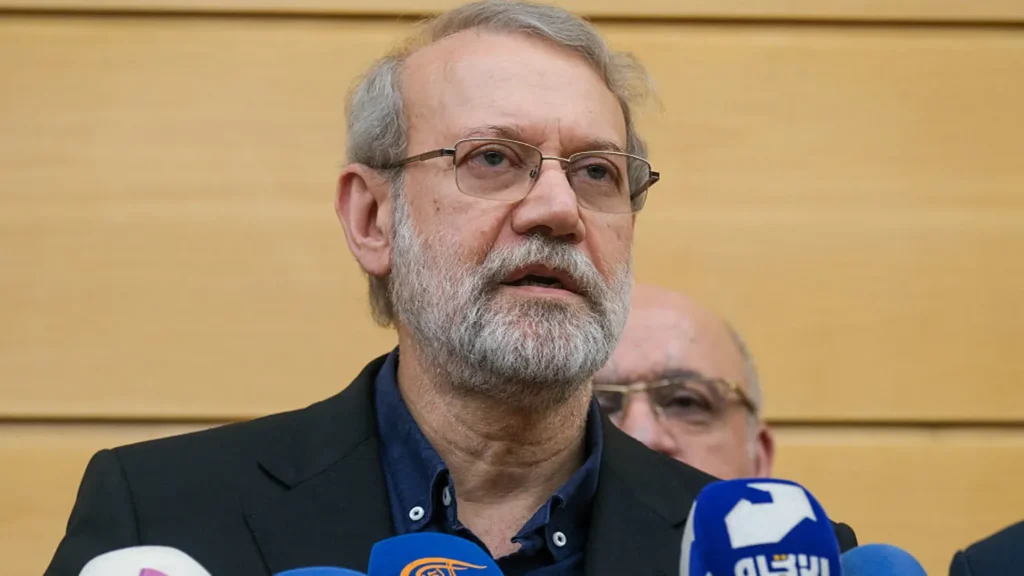
Ali Larijani, Secretary of Iran’s Supreme National Security Council, arrives in Beirut, Lebanon, on September 27, 2025, to attend a memorial service for Hezbollah leader Hassan Nasrallah. Courtney Bonneau | Afp | Getty Images
Read the comprehensive report on the Death of Ali Larijani — Iran’s top security official — killed in a targeted Israeli airstrike, reshaping the trajectory of the Iran‑Israel war and global geopolitics.
Death of Ali Larijani and Its Global Impact
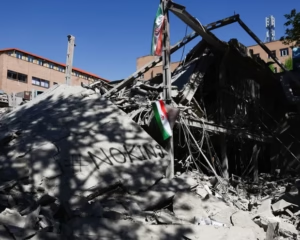
The Death of Ali Larijani has become one of the most significant events in the ongoing 2026 Iran‑Israel war. According to the Israeli Defense Minister, this targeted airstrike eliminated Iran’s top security official, marking one of the highest‑level blows to Tehran’s leadership since the assassination of Supreme Leader Ali Khamenei earlier in the conflict.
This article analyzes the Death of Ali Larijani, its implications for regional stability, and what it means for global geopolitics.
Who Was Ali Larijani? Background and Influence
The Death of Ali Larijani is not just a military footnote — it signifies the loss of a seasoned political and security strategist in Iran. Larijani served as the Secretary of Iran’s Supreme National Security Council and was widely viewed as one of the nation’s most powerful figures in recent years, especially after the death of Ayatollah Ali Khamenei.
Before becoming Iran’s top security official, Larijani was a veteran politician, having served in several key roles, including as Speaker of the Iranian Parliament. His influence extended from diplomacy to nuclear negotiations, making his leadership crucial in Iran’s modern political landscape.
The Strike That Changed the War
How the Death of Ali Larijani Was Announced
On March 17, 2026, Israeli Defense Minister Israel Katz publicly announced that the country’s military had killed Ali Larijani in a precision airstrike. The statement also confirmed the death of Gholamreza Soleimani, commander of Iran’s Basij paramilitary forces.
This announcement was corroborated by multiple international news outlets and is widely considered a pivotal moment in the conflict.
Iran’s Response and Conflicting Reports
Despite the announcement, Iranian authorities have not officially confirmed the Death of Ali Larijani. Some Iranian media accounts initially suggested that Larijani might still be alive or that the report could be part of psychological warfare — a common tactic in modern information operations.
An unverified handwritten message attributed to Larijani appeared online shortly after the announcement, fueling speculation and confusion. However, no official source in Tehran has authenticated the message. This highlights the fog of war and the challenges in verifying events in competitive information environments.
Strategic Implications of Larijani’s Death
The Death of Ali Larijani potentially disrupts the internal command structure of Iran’s security apparatus. As a key strategist — particularly in integrating political and military objectives — his loss leaves a vacuum that may affect Iran’s operational decisions in the conflict.
Analysts suggest that this development could:
- Weaken Iran’s centralized command and control during wartime.
- Reduce Tehran’s ability to coordinate its military, political, and diplomatic strategies.
- Create internal power struggles as new leaders vie for supremacy.
Because Larijani was involved in both nuclear negotiation channels and military directives, his absence could weaken Tehran’s international negotiation posture. For further reading on Iran’s state structures.
Regional Reactions and Escalation
Following the Death of Ali Larijani, regional tensions spiked dramatically:
- Iran launched missile and drone attacks on neighboring Gulf states.
- United Arab Emirates and Saudi Arabia reported intercepted strikes near their borders.
- Missile exchanges between Iranian forces and Israeli defenses continued without pause.
The situation threatens to destabilize crucial energy routes such as the Strait of Hormuz — one of the world’s key maritime oil transit points, which already experienced disruptions during the conflict.
Global Reactions: World Leaders and Organizations
International responses to the Death of Ali Larijani varied widely:
- Some Western governments backed Israel’s actions, citing defense against perceived threats.
- Others called for immediate de‑escalation and diplomatic dialogue to avoid a broader regional war.
- Major human rights organizations expressed concern about civilian impacts across Iran and neighboring countries.
Further Context: The 2026 Iran‑Israel War
The conflict that led to the Death of Ali Larijani began in early 2026 and has resulted in thousands of casualties and widespread infrastructure damage. It involves extensive airstrikes, missile exchanges, and geopolitical maneuvers involving the United States and regional powers.
The war’s deeper causes include long‑standing tensions over nuclear ambitions, regional hegemony, and proxy engagements across the Middle East. For a broader view of the conflict’s evolution.
Conclusion: What Comes Next?
The Death of Ali Larijani — if confirmed — marks a watershed moment in the Iran‑Israel war, significantly weakening Tehran’s leadership structure and potentially shifting strategic dynamics across the region.
While the long‑term impacts remain uncertain, this event is likely to influence diplomatic negotiations, military planning, and global energy markets for months or even years to come.
As the situation continues to develop, stay informed through reliable international sources and expert geopolitical analysis.
(DoFollow) Resources:
Read further on CNBC: https://www.cnbc.com/2026/03/17/iran-war-ali-larijani-israel-united-states-middle-east-crisis.html
Follow more at The New York Times: https://www.nytimes.com/live/2026/03/17/world/iran-war-trump-oil-lebanon